
If you’ve been sitting on the fence about buying a plot in Jaipur, this is the kind of news that should move you off it. The Rajasthan government is preparing another round of DLC rate hikes, and industry estimates suggest it could push overall home and land costs up by more than 20 percent.
That’s not a small number. For anyone actively looking at plots in Jaipur, it changes the math on when to buy, not just where.
Let’s break down what’s actually happening, why it matters, and what buyers should do about it.
What Is a DLC Rate, in Simple Terms
DLC stands for District Level Committee. The DLC rate, sometimes also called the circle rate, is the minimum value the Rajasthan government sets for property in a given area, road or colony.
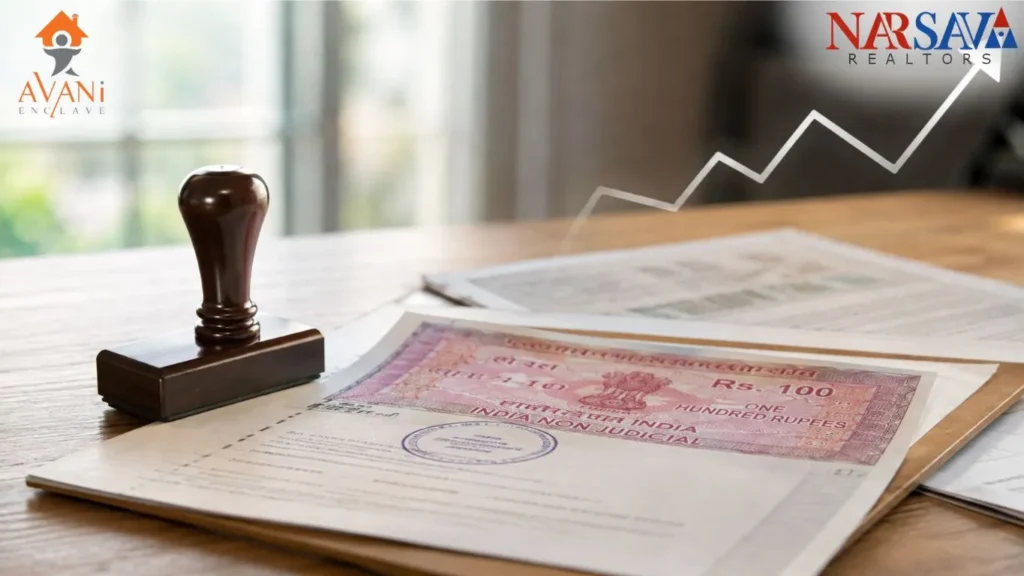
Here’s why it matters so much. You cannot register a property below this value, even if you and the seller privately agree on a lower price. Stamp duty and registration charges are calculated on whichever is higher, your actual transaction price or the government’s DLC value.
So when the DLC rate goes up, your registration cost goes up too, regardless of what you actually negotiated with the seller.
What's Happening Right Now
Rajasthan has been revising DLC rates fairly aggressively over the past couple of years, and this isn’t the first hike buyers have seen.
Here’s a quick timeline of what’s happened:
Period | What Changed |
December 2024 | DLC rates in Jaipur increased by 10 to 30 percent in several zones |
April 2026 | A further 10 percent hike applied across the state |
Mid 2026 | A fresh review initiated, expected to raise rates again |
According to CREDAI Rajasthan, the state’s real estate developer body, this latest round could push home prices up by more than 20 percent once the combined effect of higher stamp duty and rising project costs works through the market.
The government’s reasoning is straightforward, land prices in many areas, especially near highways and industrial zones, have moved well beyond the existing government rates, so the DLC figures are simply catching up to reality.
Why This Directly Affects Plot Buyers
If you’re only thinking about built homes, you might assume this doesn’t touch you as a plot buyer. It does, and arguably it hits plot buyers a little harder.
Here’s how:
- Higher stamp duty at registration – since DLC rates set the minimum taxable value, your registration cost rises even if the seller’s asking price hasn’t changed
- Rising project costs for developers – higher land valuation means developers pay more to acquire and develop land, and that cost usually gets passed on through higher plot prices
- Reduced affordability – CREDAI has flagged that middle income buyers in particular may need to reconsider budgets or plot sizes
- Faster price movement in growth corridors – areas near highways and industrial zones, like the Jaipur-Ajmer Expressway belt, are specifically called out as seeing the sharpest DLC increases
For anyone comparing residential plots in Jaipur right now, this is the kind of policy shift that changes the calculation fairly quickly.
What Developers and Experts Are Saying
The real estate industry isn’t thrilled about the pace of these changes. CREDAI Rajasthan’s leadership has pointed out that repeated, unpredictable revisions make it harder for both buyers and developers to plan.
A few concerns being raised:
- Sudden hikes discourage transactions and can slow down market liquidity
- Buyers may delay purchase decisions, waiting to see where prices settle
- Some buyers could shift toward smaller plot sizes to manage the higher registration cost
- Industry bodies are asking for a predictable, annual revision cycle instead of surprise mid-year hikes
That last point is worth sitting with for a second. If revisions become more frequent and less predictable, waiting for a “better time to buy” may not actually pay off, since the next hike could land before prices ever come back down.
Should You Buy Now or Wait
This is the question everyone actually wants answered, so let’s be direct about it.
Waiting rarely helps in a rising DLC environment, because you’re not really waiting for prices to drop, you’re waiting for the next round of increases to catch up with you. A few things worth weighing:
- Locking in a plot before the next DLC revision means your registration cost is based on today’s rates, not tomorrow’s higher ones
- Growth corridors that are already seeing strong demand, like the Ajmer Road belt, tend to see DLC catch-up hikes first, since government valuations follow actual market movement
- If you’re planning to buy within the next 12 to 18 months anyway, the current window is arguably better than waiting through another cycle
None of this means you should rush into a bad decision. It just means that “wait and watch” carries a real cost in this particular market, not just an opportunity cost.
What This Means If You're Considering Avani Enclave
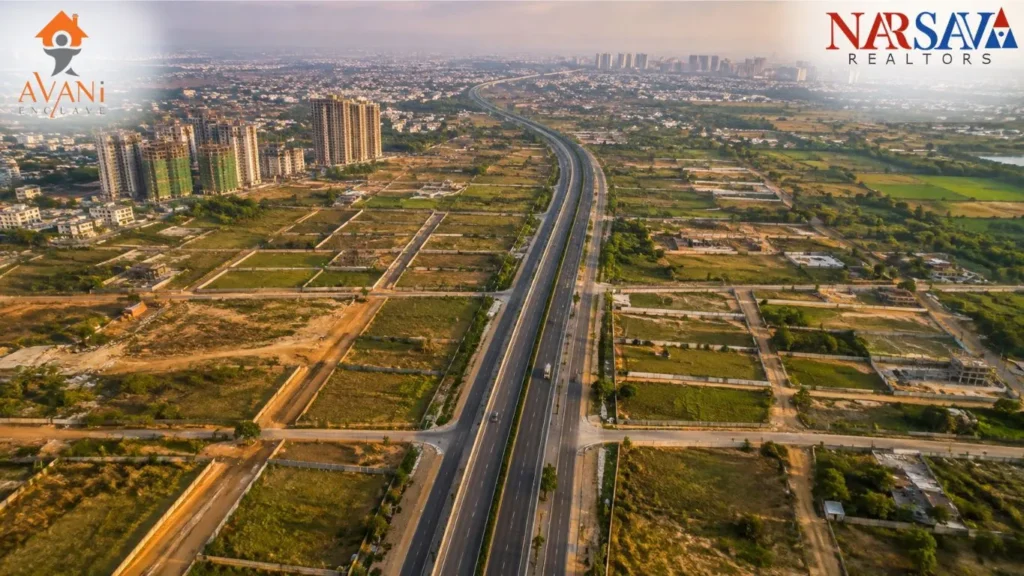
Avani Enclave sits directly on the Jaipur-Ajmer Expressway, one of the exact corridors experts point to when discussing DLC rate movement tied to infrastructure and industrial growth near Mahindra World City.
A few reasons this context matters if you’re evaluating the project:
- Current pricing at Avani Enclave starts from ₹18,490 per sq. yd, ahead of any further DLC-driven cost increase in the belt
- The project is government approved and RERA completed, which keeps your registration process straightforward even as rates shift
- Plot sizes from 100 to 250 sq. yd give buyers flexibility to manage budget against rising costs
- Being an established, ready-infrastructure township means you’re not paying for promises, the roads, water and security are already in place
If you’ve been comparing plots in Jaipur and holding off for any reason, the current DLC environment is a reasonable prompt to move that decision up your list rather than pushing it further out.
Quick Recap
Point | What It Means for You |
DLC rates set minimum registration value | Higher DLC means higher stamp duty, regardless of negotiated price |
Multiple hikes since Dec 2024 | Prices have already moved up several times, and another round is expected |
Growth corridors hit first | Ajmer Road belt is specifically flagged for rate catch-up |
Waiting has a real cost | Delaying a purchase risks buying into a higher rate later, not a lower one |
Final Thoughts
DLC rate hikes aren’t just bureaucratic paperwork, they directly change how much you’ll actually pay when you register a property in Rajasthan. With another revision already underway and industry estimates pointing to a 20 percent plus increase in overall costs, the window to buy at current rates is narrowing.
If you’re seriously considering residential plots in Jaipur, particularly in a growth corridor like the Jaipur-Ajmer Expressway belt, this is a reasonable moment to move from research to action.
Want to lock in current pricing before the next rate revision? Visit Avani Enclave to check the latest price list, download the brochure, or book a free site visit today.
Frequently Asked Questions
DLC stands for District Level Committee. It's the government-fixed minimum property value used to calculate stamp duty and registration charges in a given area.
Industry estimates from CREDAI Rajasthan suggest the combined impact of higher stamp duty and rising project costs could push home and land prices up by more than 20 percent.
Yes. Since stamp duty is calculated on whichever is higher, the transaction price or the DLC value, plot buyers face the same increased registration costs as flat buyers, and developers often pass on rising land acquisition costs through higher plot prices too.
Given the pattern of repeated hikes over the past two years, waiting doesn't guarantee lower prices. Many buyers are choosing to lock in current rates before the next revision takes effect.
Yes. Areas near highways and industrial zones are specifically noted as seeing sharper DLC increases, since government valuations are catching up to actual market demand in these belts.